Lived Experiences, Human Dignity and Inclusive Policymaking: Reflections from the ODIDR Strategic Planning Retreat
- Entry
- No. 105
- Date
- Place
- Nakuru
- Position
- 0.40°S 36.10°E
- Type
- Convening
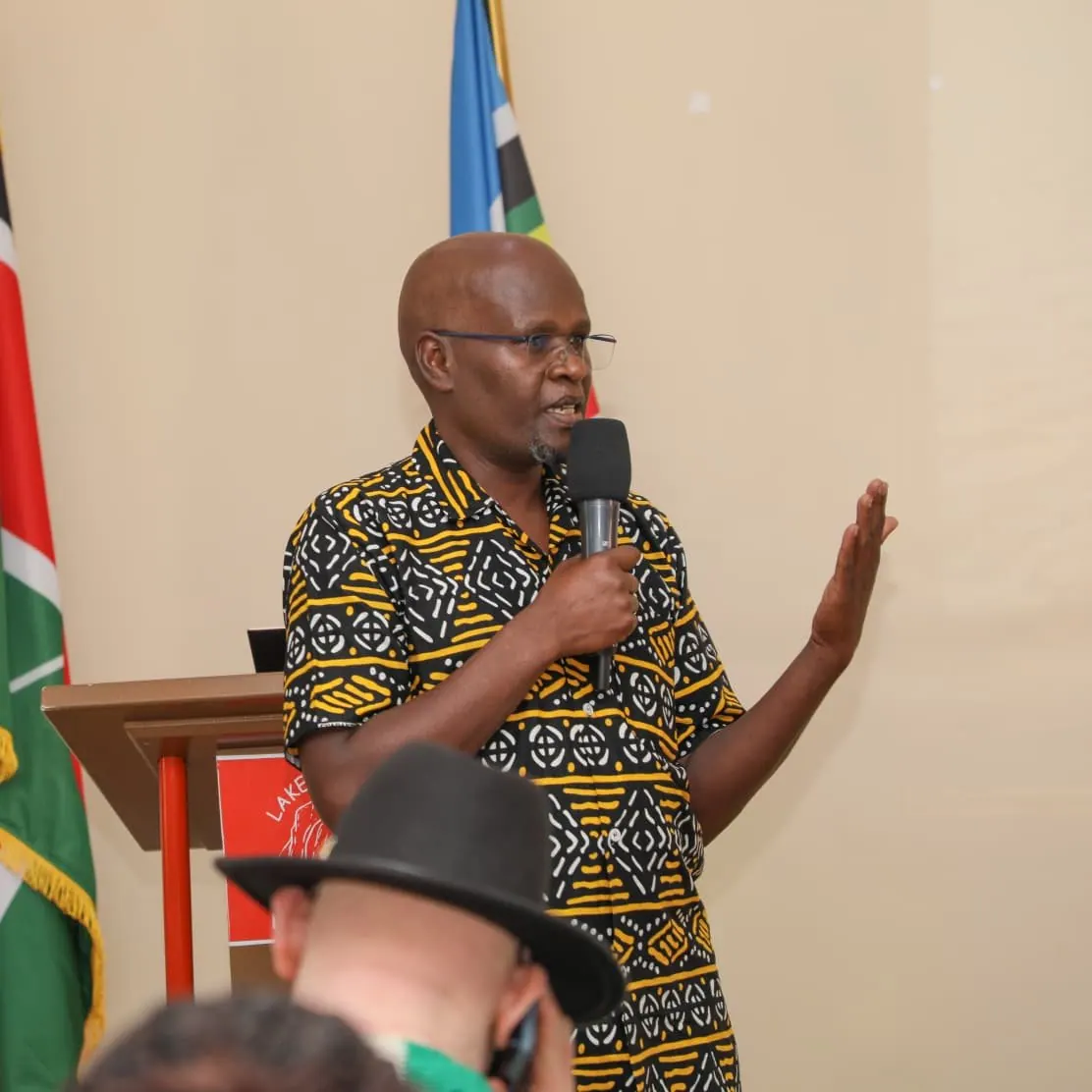
Behind every smile lies a story of resilience, courage, hope and determination. These stories are not merely personal accounts; they are powerful sources of knowledge that can shape public policy, influence institutional decisions and advance human rights.
During the second day of the ODIDR Strategic Planning Retreat, I had the opportunity to share my lived experience as an intersex person, contributing to discussions on the importance of integrating lived realities into research, policy development and institutional decision-making.
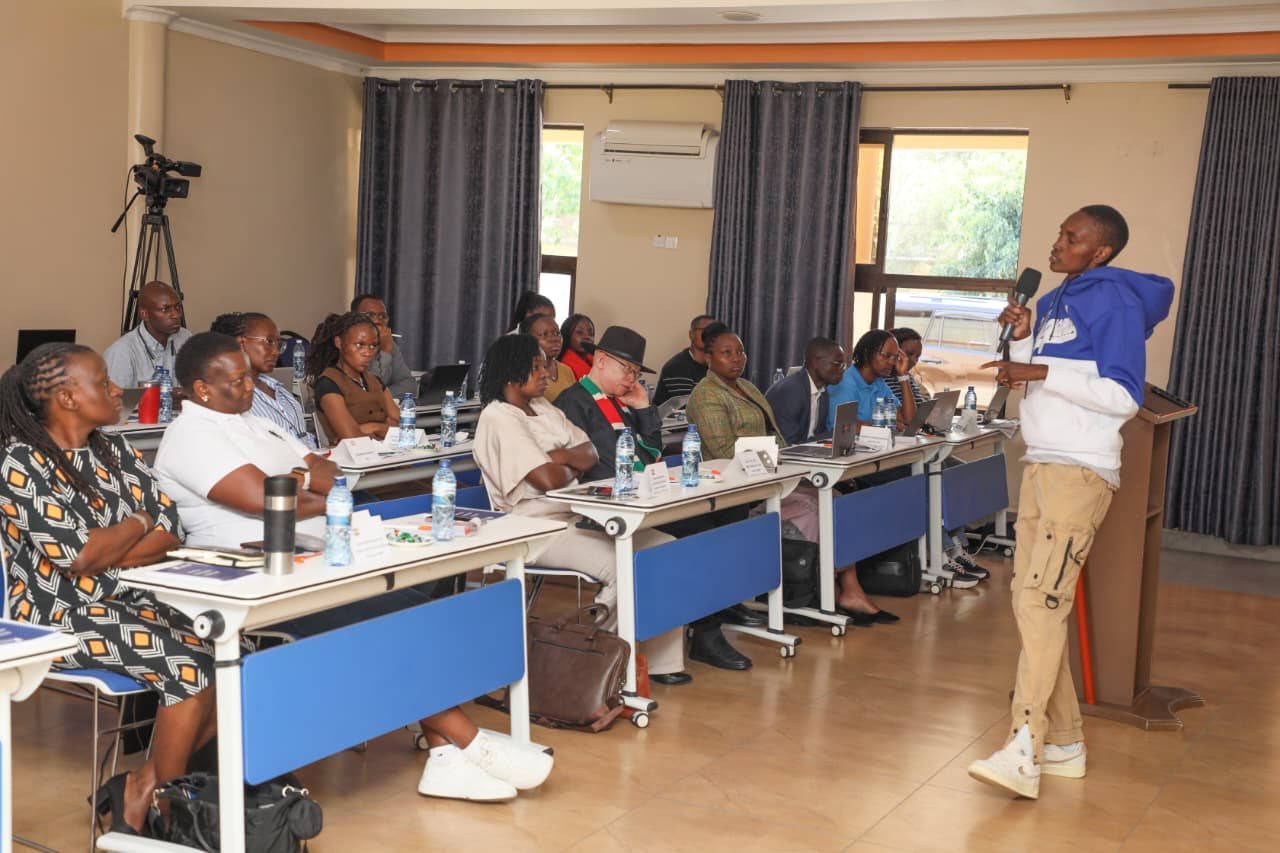
My journey as an intersex person has been shaped by numerous challenges, including growing up with limited information, navigating cultural expectations, experiencing stigma and undergoing 39 major surgical procedures. These experiences have reinforced my conviction that intersex persons deserve recognition, dignity, protection and the freedom to participate in decisions affecting their lives.
A key concern I raised was the need to protect intersex children from premature and non-consensual medical interventions. Medical decisions involving children with intersex variations must be guided by their best interests, informed medical advice, respect for bodily autonomy and the preservation of their future choices wherever possible.
I also emphasized the importance of distinguishing intersex variations, which are innate variations in sex characteristics, from transgender identities. Greater public awareness and accurate information are essential in addressing misconceptions, discrimination and social exclusion.
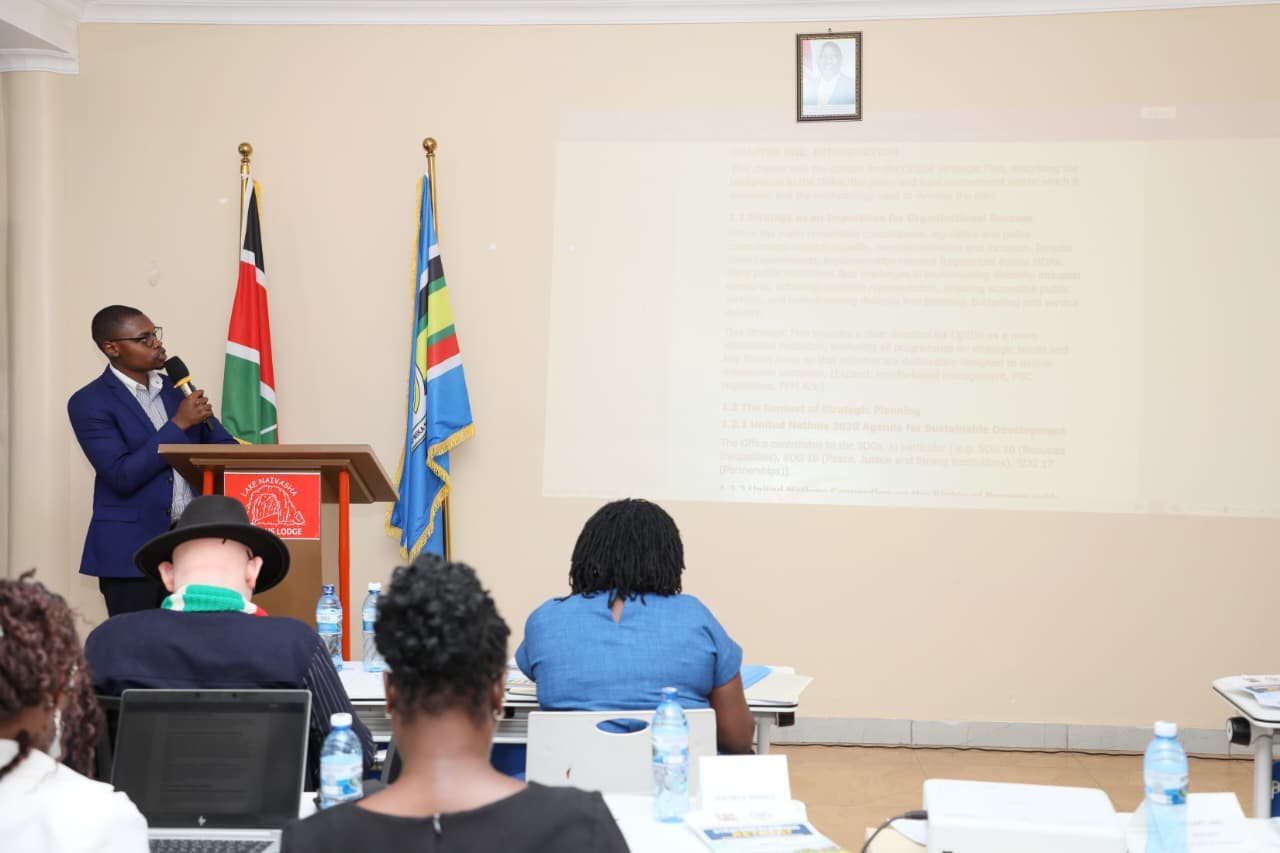
Importantly, being intersex goes beyond physical characteristics. It encompasses social experiences, identity, dignity, acceptance and the right to participate fully in society. Parents, caregivers, educators, healthcare professionals and policymakers all have a responsibility to create supportive environments where intersex persons can grow, learn and thrive.
The retreat also provided an opportunity to hear other important lived experiences. Ms. Esther Wamae, Chief Executive Officer of Bloom Dyslexia Centre, highlighted the challenges faced by children with dyslexia and the importance of early identification, inclusive education and sustained support. She reminded participants that learning differences do not diminish a person's intelligence or potential.
Similarly, Marion Juma shared her experience of living with multiple sclerosis, drawing attention to the realities of navigating a chronic neurological condition and the importance of accessibility, understanding and responsive support systems.
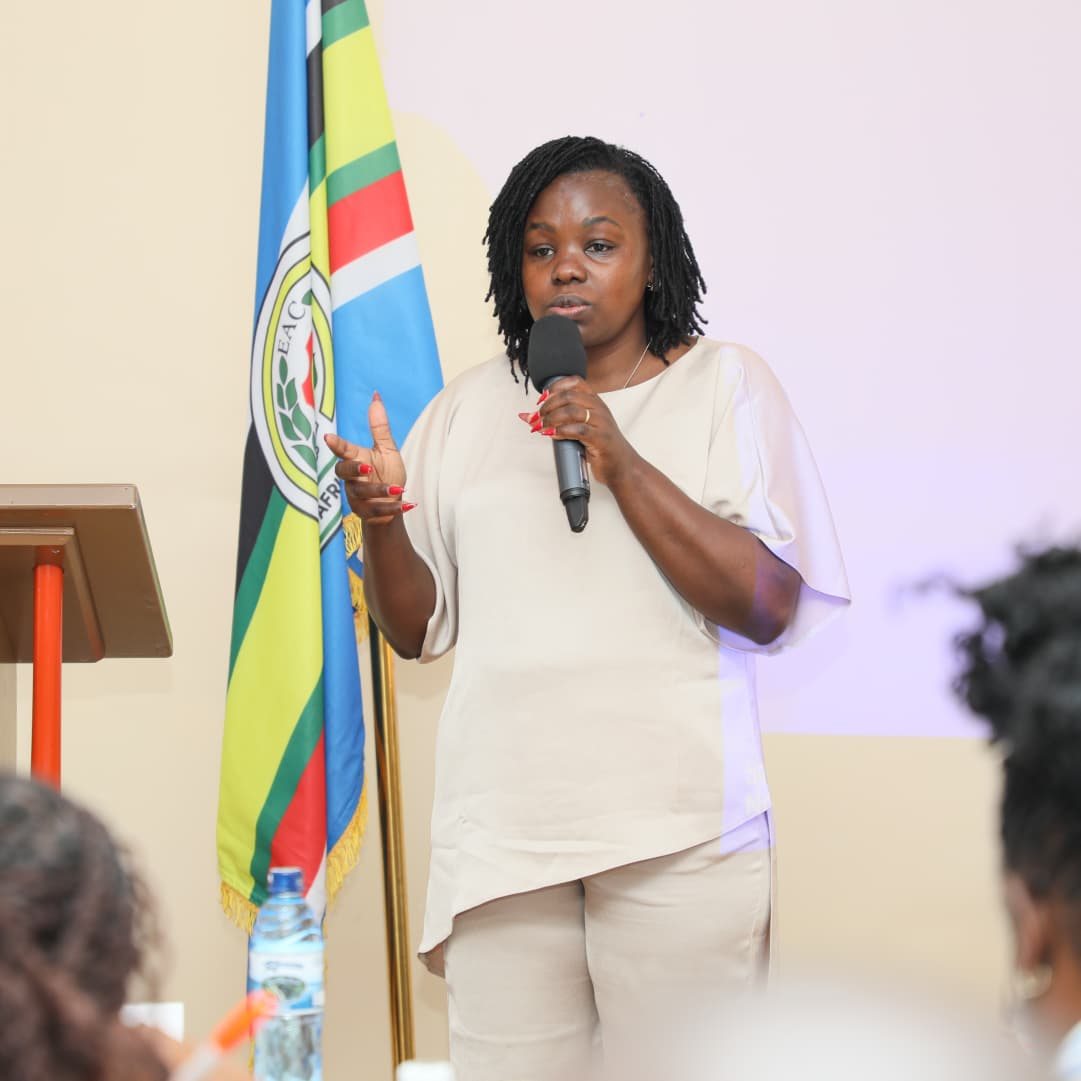
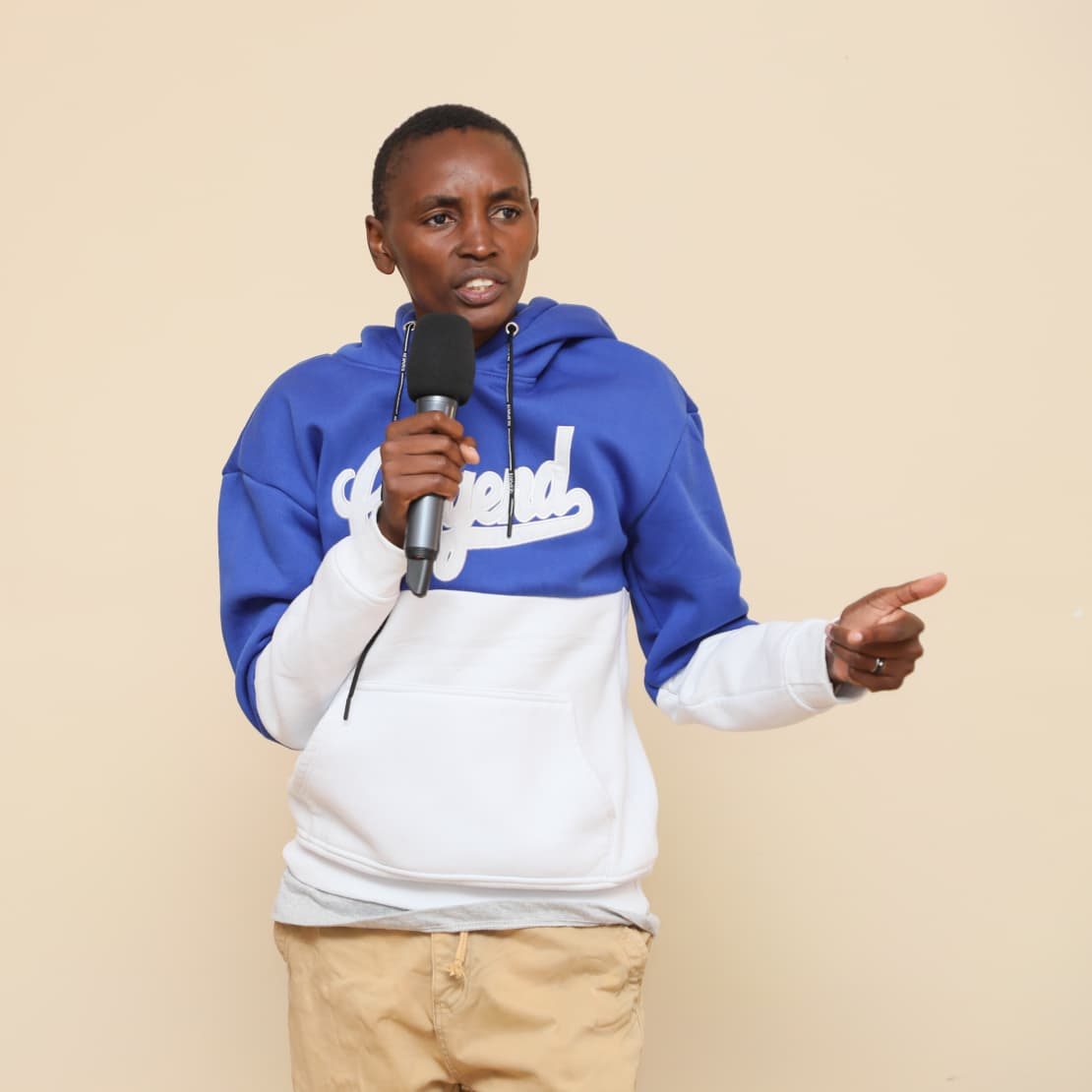
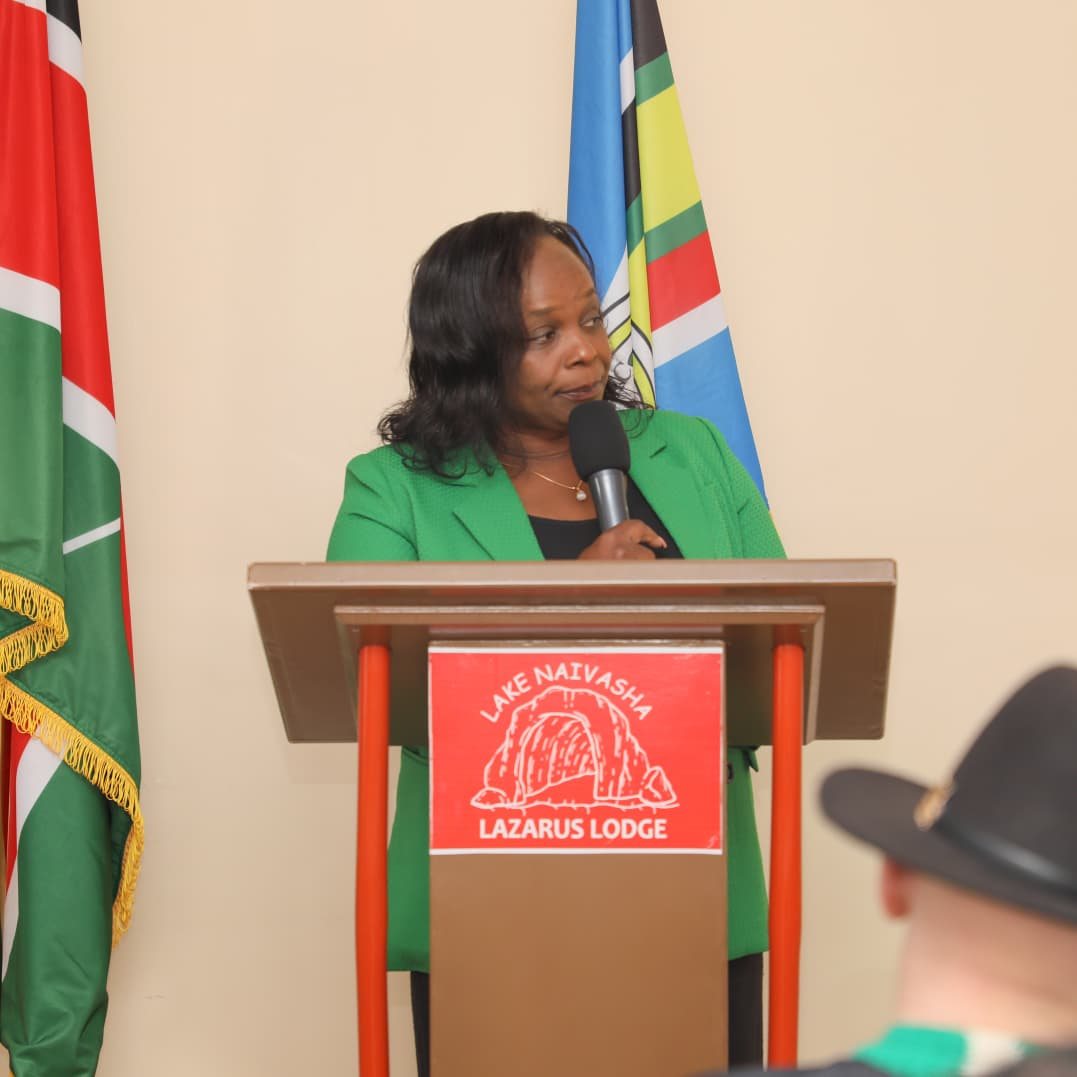
Voices from the retreat: lived experience shared in the plenary.
These contributions demonstrated that intersex variations, dyslexia and multiple sclerosis may present different challenges, but the individuals affected share a common need for dignity, understanding, inclusion and equal opportunities.
Moving from policy commitments to meaningful inclusion
One of the key lessons from the discussions was that human rights protection cannot be achieved through policies and institutional frameworks alone. Such commitments must be informed by the lived experiences of the people they seek to serve.
Institutions must therefore create meaningful opportunities for persons with diverse experiences and conditions to participate in research, policy formulation, implementation and monitoring.
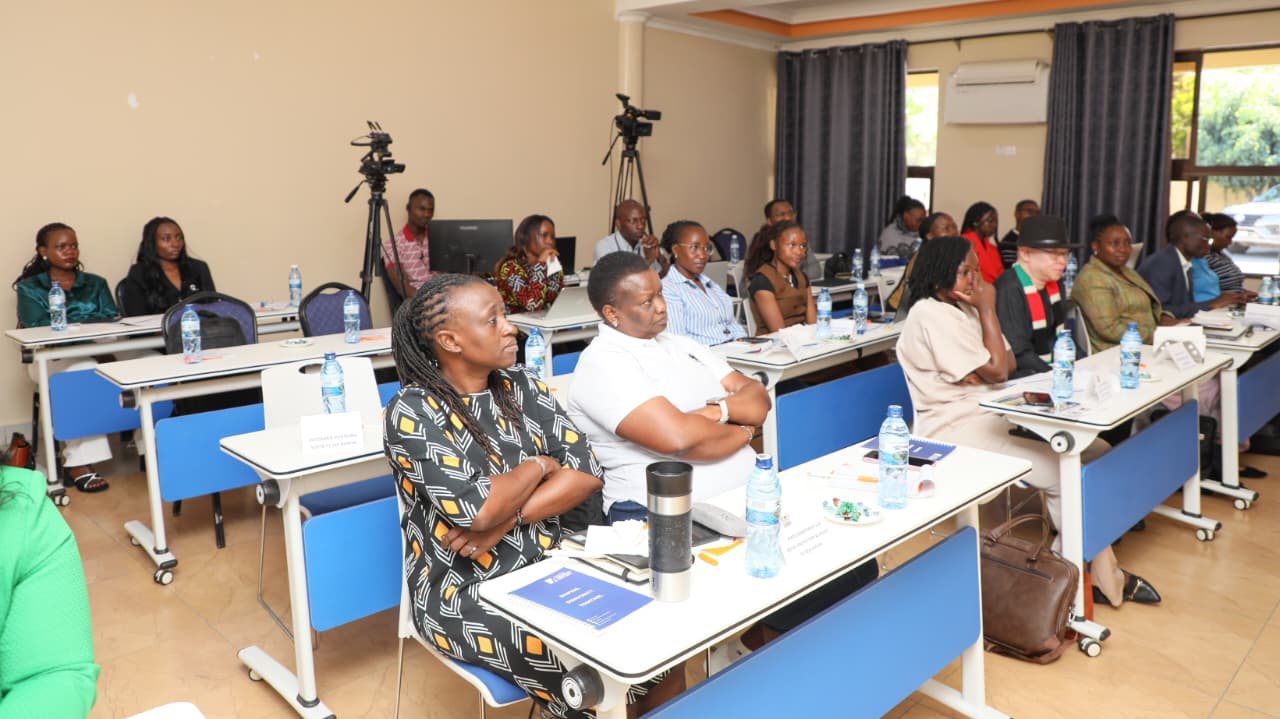
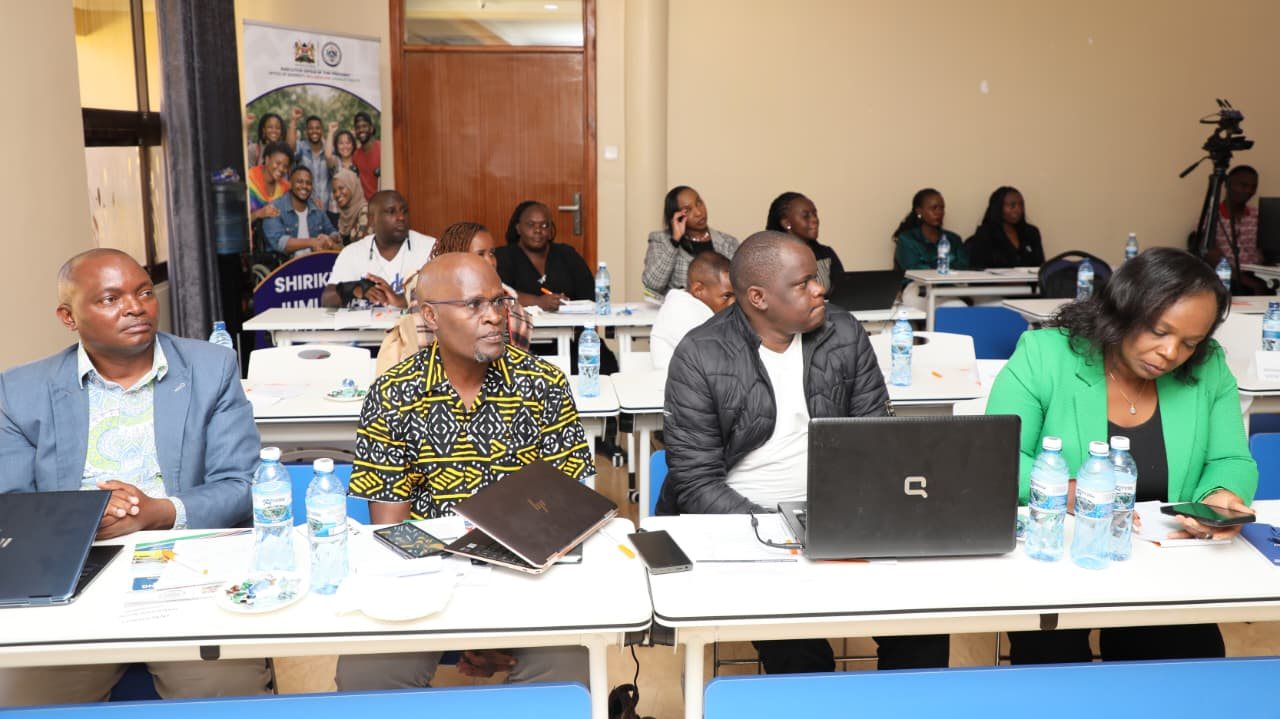
As a Commissioner at the Kenya National Commission on Human Rights, I remain committed to advancing equality, non-discrimination, dignity and the protection of the rights of persons who are often misunderstood or marginalised.
The ultimate goal must be to build a society where biological variations, learning differences and health conditions are never grounds for discrimination or exclusion.
Inclusion begins when we listen, progresses when we understand and becomes meaningful when we translate lived experiences into action. No one should be left behind, misunderstood or denied their dignity.
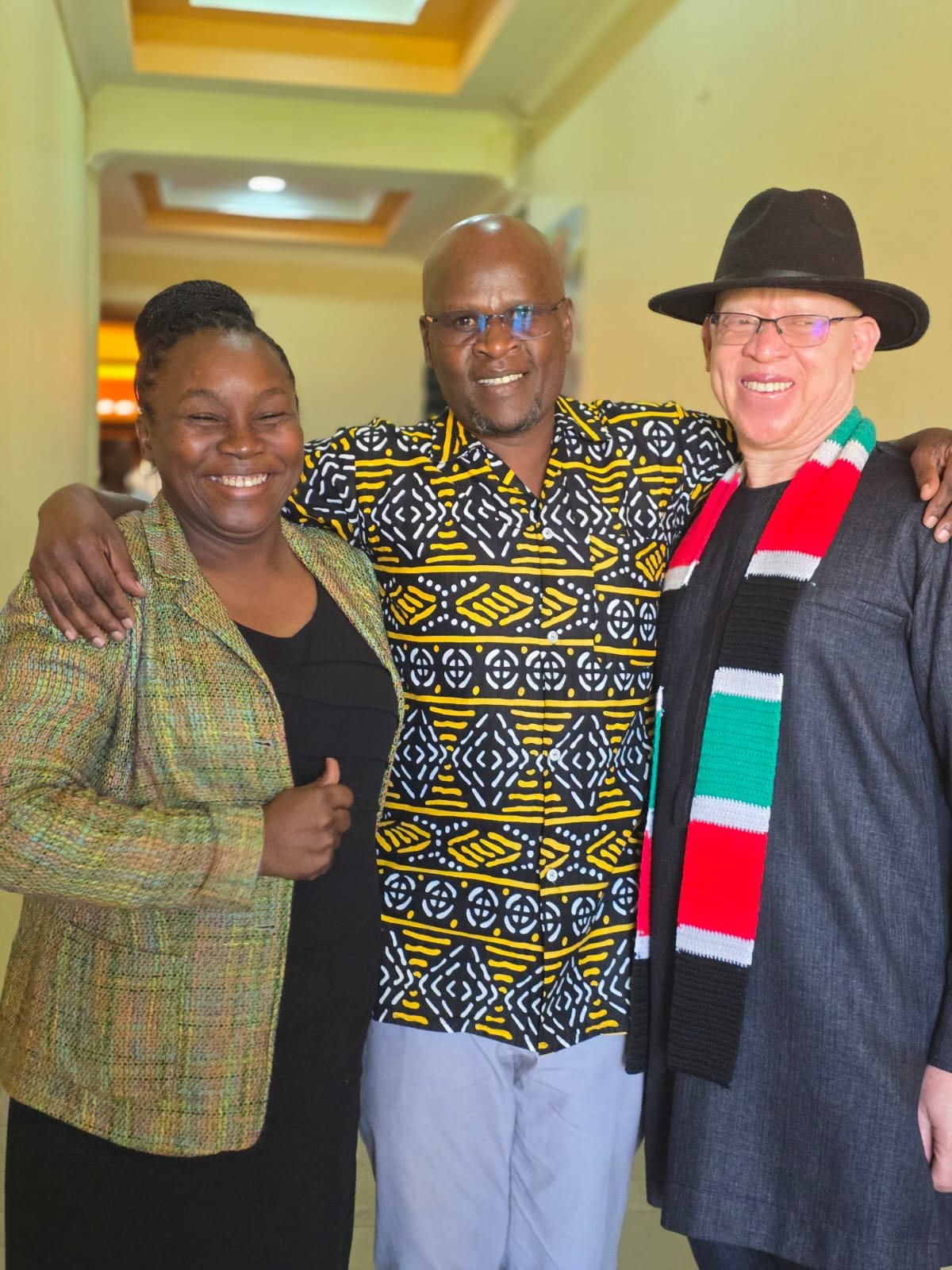
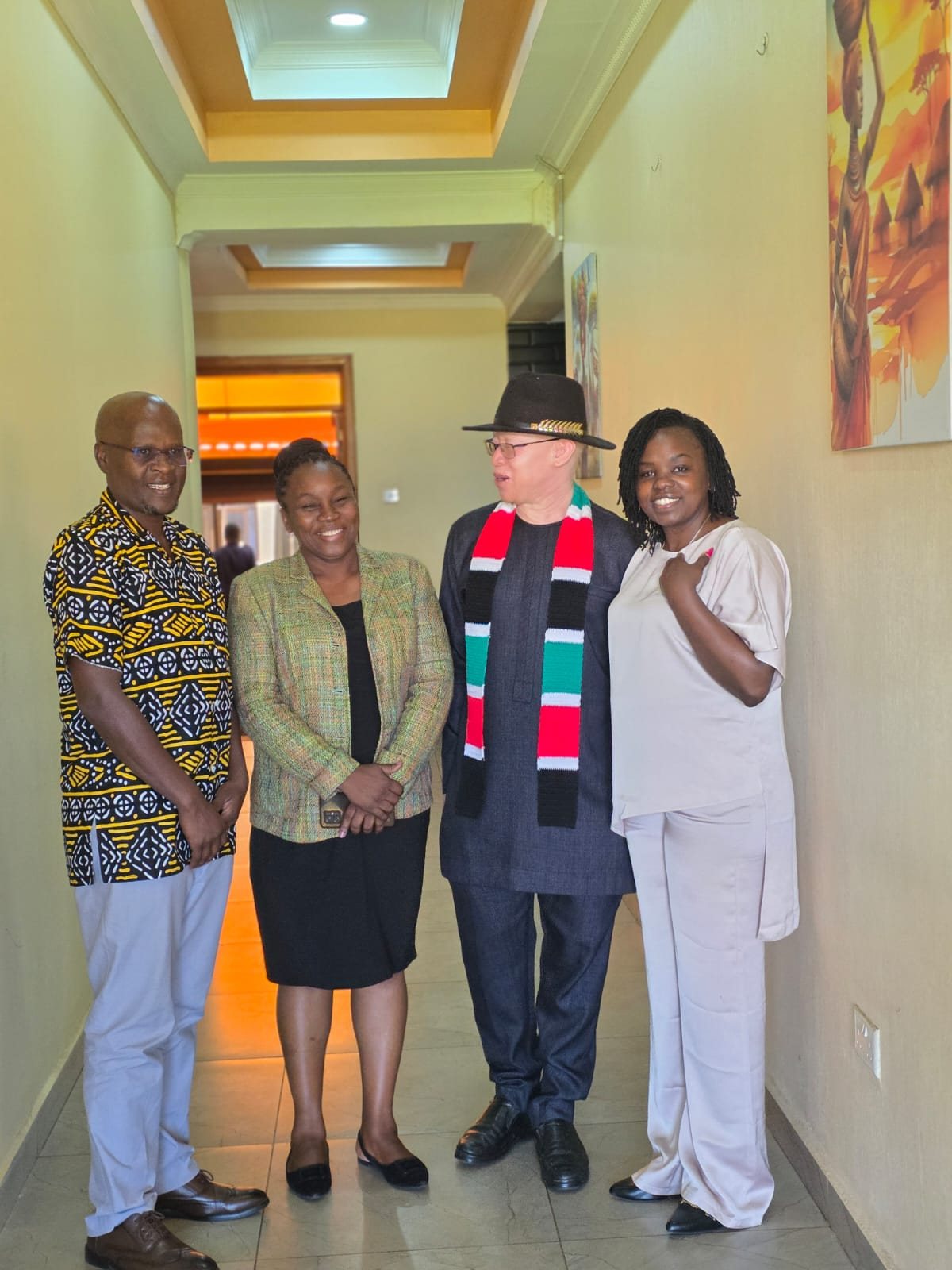
Commissioner Dr. Dennis Wamalwa with fellow participants at the retreat.